


Does any of this sound familiar?
If you're running an established business, you'll recognise at least a few of these.
The same data, entered twice
Information gets re-keyed by hand between systems, because they don't talk to each other.
Work that waits on people, not systems
Jobs stall in someone's inbox because the process runs on spreadsheets and memory.
No single view of what you run
You can't get a straight answer on which systems you have, who owns them, or what they cost.
Software spend that only creeps up
New tools get added, old ones never get switched off, and the bill climbs every year.
Decisions made department by department
Each team buys what solves their problem, and no one joins it up across the business.
Things that break at the worst time
Something falls over at month-end and nobody's quite sure why, or who owns the fix.
None of this is a technology problem - it's a clarity problem. No one has stepped back to see the whole picture. That's fixable, and it's where we start.
What we actually do
Every engagement starts with understanding what you've got. From there, we scope the right relationship based on what we find.


Discovery
We start by mapping everything - systems, spend, risk, and ownership. You get a complete picture of your technology estate and a clear, prioritised plan for what to fix and in what order.


Estate Leadership
For businesses with functional technology that needs strategic leadership. We act as your fractional CTO - embedded with your team, accountable for outcomes.


Estate Modernisation
For businesses running on legacy systems that are holding them back. We stay embedded and drive the modernisation - vendor management, new systems, data migration, architecture decisions.
Not sure what your technology is actually costing you?
How we work
Four phases that take you from a pile of systems to a clear plan - each one building on the last.
1
Intent & Alignment
We start with the business, not the technology. What you're trying to achieve, what feels slow or risky, where you're taking things next. We agree the objectives before we look at a single system.
2
Focused Discovery
We map your estate across three dimensions: what exists technically, how it works day-to-day, and what it's actually costing you. A full commercial diagnosis, not a surface audit.
3
Segmentation & Structure
We organise your technology into clear building blocks - each with a defined purpose, an owner, and known dependencies. This is where complexity becomes clarity.
4
Strategy & Direction
We build a prioritised roadmap - what to fix first, what can run in parallel, what to leave for later. Every recommendation tied to the commercial impact it delivers.
Why not just use your team or your MSP?
You could - and you should keep both. Your team keeps things running day-to-day, and a good MSP runs your infrastructure well. But neither is set up to step back, see across the whole estate, and own where it's going. That's the gap a strategic technical lead fills.
Notes on technology, clarity, and cost
Practical thinking on the technology that runs your business - written for the people running the business, not the people running the servers.


Full estate visibility
Plain-English strategy
An embedded technical lead
Tied to commercial impact
Questions you're probably asking
A few of the things owners and MDs tend to ask before we start working together.

“Most SMBs don't have a technology problem. They have a clarity problem.”

Maurice, Founder of Segmentum
Who you'll be working with
You're not handed off to a junior team. The person who maps your estate is the person who leads the work.
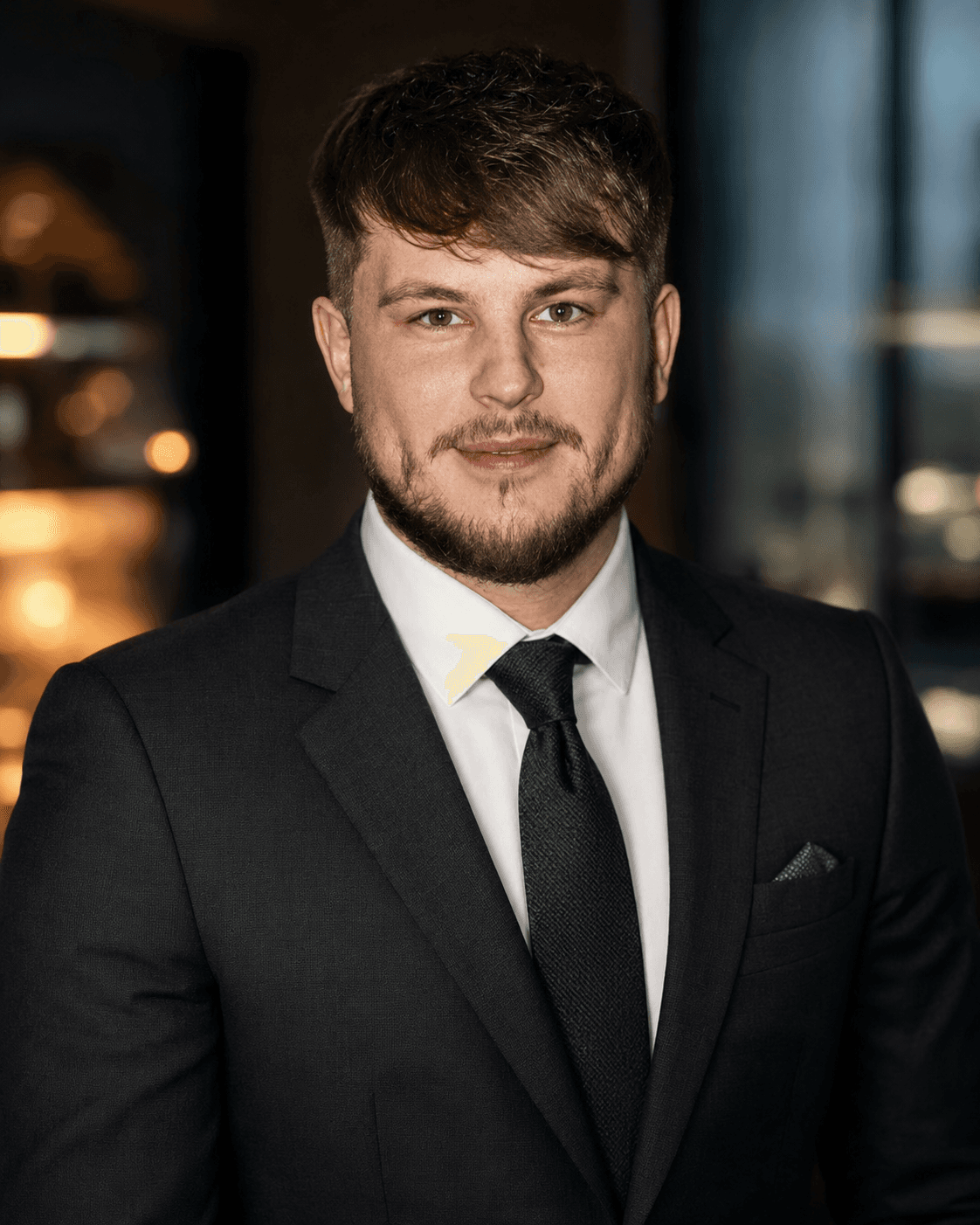
Maurice
Founder & Fractional CTO